Introduction
There’s a reason multi-cookers became a kitchen staple for so many households over the past several years: they take a handful of appliances that used to live separately on the counter and combine them into one unit that does most of the heavy lifting. The Instant Pot Duo is one of the more recognizable examples of this category, offering seven different cooking functions in a single 6-quart stainless steel pot. Rather than owning a pressure cooker, a slow cooker, a rice cooker, and a few other gadgets separately, the idea is that one machine can handle all of it.
This article walks through what the Instant Pot Duo actually does, how people tend to use it in everyday cooking, who it’s likely to work well for, and a few practical points to think about before deciding if it fits your kitchen. The goal is to give a clear, balanced picture rather than a sales pitch, so you can decide for yourself whether it makes sense for your household.
Key Features
The Duo’s main appeal comes from how many functions are packed into one appliance, and understanding each of those functions helps explain why it’s become such a popular category of kitchen equipment.
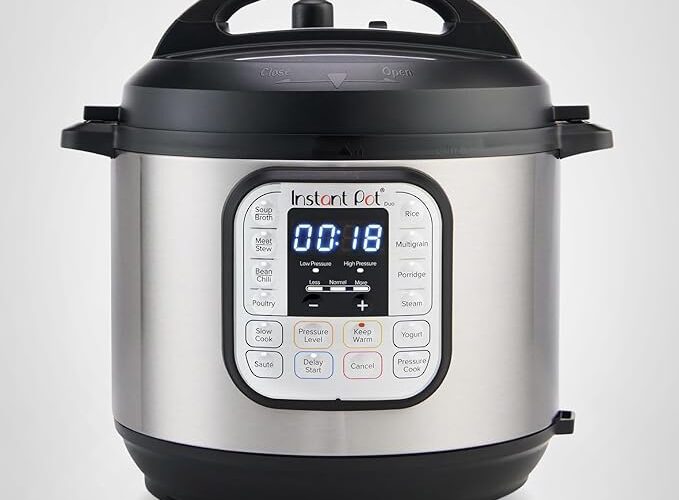
7-in-1 Functionality — The unit combines pressure cooking, slow cooking, rice cooking, steaming, sautéing, yogurt making, and warming into a single pot. Some versions also include a sterilizing function, which can be used for things like cleaning baby bottles or jars.
6-Quart Capacity — This size tends to suit small to medium households, generally enough for cooking a meal for two to four people, or larger batches of grains, soups, and stews.
Stainless Steel Inner Pot — The inner cooking pot is typically made of stainless steel, a material often chosen for its durability and resistance to scratching compared to nonstick coatings, although this also means food can stick more if not enough liquid or oil is used.
Digital Control Panel — Most Instant Pot Duo models include a simple digital interface with pre-set buttons for different food types, such as rice, soup, or meat, alongside manual time and pressure adjustments for more control.
Companion App with Recipes — Many versions of the Duo connect to an app offering several hundred recipes, which can be useful for people who are new to pressure cooking and want guided instructions rather than guessing on settings.
Safety Mechanisms — Electric pressure cookers like this typically include multiple built-in safety features, such as lid-locking systems and pressure-release valves, designed to reduce the risks historically associated with older stovetop pressure cookers.
Together, these features are aimed at giving home cooks a wide range of cooking methods without needing several separate appliances cluttering the kitchen.
How It Can Be Used
Because of its multiple functions, the Duo tends to get used for a wide variety of meals and tasks throughout the week, rather than being limited to one type of cooking.
Quick Weeknight Meals — Pressure cooking mode is often used to cut down cooking time significantly for dishes like soups, stews, and braised meats that would normally take hours on the stovetop.
Slow-Cooked Dishes — For people who prefer the traditional low-and-slow approach, the slow cooker function allows for that style of cooking without needing a separate slow cooker appliance.
Rice and Grains — The rice setting is generally calibrated to cook white or brown rice with minimal guesswork, which appeals to people who don’t want to babysit a pot on the stove.
Steaming Vegetables or Seafood — Using the steaming function with a trivet or steamer basket, vegetables, fish, or dumplings can be cooked gently without submerging them in water.
Sautéing Before Pressure Cooking — Many recipes call for browning meat or vegetables before pressure cooking, and the sauté function allows that step to happen in the same pot, reducing the number of dishes used.
Homemade Yogurt — The yogurt function is designed to maintain a consistent low temperature over an extended period, which is necessary for culturing yogurt from milk.
Keeping Food Warm — After cooking, the warming function can help keep a finished dish at a safe serving temperature until it’s ready to be eaten, which is useful for meal timing around a household’s schedule.
This range of functions is part of why these multi-cookers tend to get used far more often than single-purpose appliances that might otherwise sit unused for the majority of the week.
Who It May Be Suitable For
Different households tend to get different value out of an appliance like this, depending on their cooking habits and schedule.
Busy individuals and families — For people balancing work, school, or other responsibilities, the ability to cook a full meal faster than traditional methods can be a meaningful time-saver on a regular basis.
People new to cooking — The pre-set buttons and companion app recipes can make it easier for beginners to get consistent results without needing to know precise cooking times or pressure levels.
Meal preppers — Because the pot can handle larger batches of grains, beans, or proteins at once, it’s often used by people who like to prepare food in bulk for the week ahead.
Small households looking to consolidate appliances — Combining several cooking methods into one unit can be especially helpful for apartments or smaller kitchens where counter and storage space is limited.
Home cooks interested in trying new cooking methods — For those curious about pressure cooking or homemade yogurt but hesitant to buy a dedicated appliance for each, the multi-function design offers a lower-commitment way to experiment.
That said, people who already own and prefer several specialized appliances, or who primarily cook dishes that don’t benefit from pressure cooking or slow cooking, may not find as much added value in switching to a combination unit.
Important Things to Consider
Before deciding if a multi-cooker like the Duo is the right fit, there are a few practical factors worth thinking about.
Learning curve for pressure cooking — For anyone unfamiliar with pressure cooking, there can be an adjustment period in understanding cook times, liquid ratios, and venting procedures, even with safety features in place.
Size and counter space — While it consolidates several appliances into one, the unit itself still takes up a reasonable amount of counter or storage space, particularly larger capacity models.
Inner pot material preferences — Stainless steel pots are durable but may require more attention to prevent sticking compared to nonstick surfaces, so understanding how to use enough liquid or oil is part of getting consistent results.
Recipe adaptation — Converting traditional stovetop or oven recipes to pressure cooker timing isn’t always a one-to-one swap, so some trial and error, or reliance on app-provided recipes, may be needed at first.
Maintenance of seals and valves — Like most pressure cookers, the sealing ring and venting components need regular cleaning and occasional replacement to keep the appliance functioning properly over time.
These considerations don’t take away from the convenience the appliance offers, but they’re useful to keep in mind when setting expectations for the first few uses.
Comparison of General Categories
It can help to understand how multi-cookers like the Duo compare to other general categories of cooking appliances, without singling out any specific competing brand.
Multi-cookers vs. traditional stovetop pressure cookers — Stovetop pressure cookers generally cook a bit faster since they can reach higher pressure, but they require more hands-on monitoring and lack the additional functions like slow cooking or yogurt making found in electric multi-cookers.
Multi-cookers vs. standalone slow cookers — Dedicated slow cookers are often simpler to operate since they’re built for one function, but they don’t offer the time-saving benefits of pressure cooking when speed is a priority.
Multi-cookers vs. standalone rice cookers — Rice cookers built solely for that purpose may produce slightly more consistent results for rice specifically, but a multi-cooker’s rice function is often good enough for everyday use while also providing other cooking modes.
Multi-cookers vs. instant ovens or air fryers — These appliances focus on different cooking methods entirely, namely dry heat versus moist pressure or slow cooking, so they tend to complement rather than directly replace one another in a kitchen.
Ultimately, the right choice depends on how many of these cooking styles you actually use regularly, and whether consolidating them into one appliance fits your routine better than keeping them separate.
Frequently Asked Questions
Is pressure cooking safe for everyday home use? Modern electric pressure cookers include multiple built-in safety mechanisms, such as locking lids and pressure-release valves, that are designed to address the risks associated with older stovetop models. As with any kitchen appliance, following the manufacturer’s instructions is important.
Can the Instant Pot Duo replace a slow cooker entirely? For most everyday slow-cooking needs, yes, the slow cook function is generally capable of replicating traditional slow cooker results, though some users note subtle differences depending on the specific recipe.
Do I need the companion app to use the appliance? No, the appliance can be operated entirely through its built-in control panel. The app is an optional resource mainly useful for recipe ideas and guided cooking suggestions.
How long does food take to cook compared to traditional methods? Pressure cooking generally cuts cooking time significantly compared to stovetop or oven methods, though exact time savings depend on the specific dish and quantity being prepared.
Is the stainless steel pot dishwasher safe? Many stainless steel inner pots are dishwasher safe, but it’s always best to check the specific care instructions provided with your model to avoid damaging the finish over time.
Can it be used to sterilize baby items? Some versions of the Duo include a sterilize function intended for items like bottles, jars, or utensils, though it’s worth confirming this feature is included in the specific model you’re considering.
Conclusion
The Instant Pot Duo brings together seven distinct cooking functions into a single 6-quart stainless steel pot, aiming to simplify kitchens that might otherwise need several separate appliances to cover pressure cooking, slow cooking, steaming, sautéing, and more. For households juggling busy schedules, this kind of consolidation can translate into real time savings and fewer dishes cluttering up cabinet space.
At the same time, it’s worth setting realistic expectations. There’s a learning curve to pressure cooking for those who haven’t tried it before, and dedicated single-purpose appliances may still offer marginal advantages for specific tasks like rice or slow cooking. But for the majority of everyday cooking needs, especially for people who value flexibility and efficiency, the multi-function design covers a lot of ground in one unit.
If simplifying your kitchen setup while gaining access to a wide range of cooking methods sounds appealing, it may be worth exploring the Instant Pot Duo further to see how its features align with your everyday cooking habits.